

 X
X
 facebook
 WhatsApp
 Email
Email

Introduction
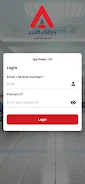
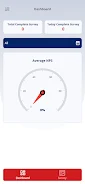
Asarfi Survey is a mobile feedback app designed to capture patient and caregiver experience after hospital visits, helping clinical teams improve both outpatient (OPD) and inpatient (IPD) services. The introduction presents short, focused questionnaires that measure wait times, cleanliness, staff behavior and overall care, while protecting personal data and keeping the interaction quick so it can be completed before, during gaps in, or shortly after a visit.
Key features and form structure
Forms in Asarfi Survey are organized into clear sections that reflect a typical patient journey: registration details, visit context, service quality questions and an optional free-text comments area. Questions use a mix of rating scales, multiple-choice options and short responses to reduce fatigue and make analysis straightforward for hospital teams. Separate templates for OPD and IPD visits ensure that the sequence of questions and the wording stay relevant to the type of encounter being evaluated.
How it works in practice
The app guides users step-by-step through each survey with visible progress indicators and simple controls. Navigation relies on large, clearly labeled buttons and single-tap answers for ratings; open-text fields expand as needed for longer comments. Users can see progress at a glance and are informed how many quick steps remain, which lowers abandonment and improves completion rates. Asarfi Survey can be set to send gentle, unobtrusive reminders so feedback can be provided shortly after discharge or during natural pauses in care.
User experience, visual design and controls
Asarfi Survey uses a clean, minimal visual style built for legibility across screen sizes and age groups. Font sizes, contrast and button spacing are chosen for easy reading and simple touch targets. The interface avoids clutter: each screen focuses on a single idea or question and offers contextual help where a term might be unfamiliar. Controls are simple tap, select and type interactions so users with limited technical experience can participate without a learning curve.
Progression, accessibility and personalization
Surveys present a short progression system rather than a game-like level structure: users move through stages that mirror the visit flow, with optional skip logic to hide irrelevant questions. Personalization is applied by choosing the correct OPD or IPD form and by allowing hospitals to tailor question sets to local services. Accessibility features include readable fonts, clear labels, and support for screen readers where the hosting device provides it, making the app usable for a wider population.
Engagement and replay value
Asarfi Survey encourages continued participation through clear acknowledgement of each submitted response and non-competitive recognition such as thank-you messages or confirmation receipts. Repeat visits are treated as separate opportunities to provide feedback so users can report improvements or new issues over time. The gentle reminder system and transparent feedback routing are designed to generate sustained engagement without gamification or ranking systems.
Data handling, privacy and hospital integration
Privacy is a central design consideration: data collection is limited to what hospitals need to investigate service quality, and access is restricted to authorized staff. Asarfi Survey routes responses directly to hospital teams so feedback can inform local improvement efforts. Hospitals can configure which fields are mandatory and how data is processed, and users are informed about how their information will be used before they register or submit responses.
Offline behavior and limitations
The app is intended to work best with a network connection; depending on local hospital configuration, brief interruptions in connectivity may be handled by saving draft answers until the device reconnects. Users should note that Asarfi Survey is not a channel for urgent clinical communication and does not replace medical advice or emergency reporting. Effectiveness also depends on hospital adoption—responses have value when clinical teams review and act on the data they receive.
Known trade-offs
To protect the integrity of the feedback and enable follow-up when needed, registration is required before submitting responses, which adds a step for some visitors. The app focuses on service improvement rather than real-time clinical workflows, and its impact rises with institutional commitment to closing the feedback loop. For people who want their experience to influence care quality, Asarfi Survey provides a straightforward, secure and respectful way to make voices heard.
Information
User Comments

FleetDocs is a mobile document management app that helps trucking fleets capture, submit, and organize paperwork using a smartphone camera. FleetDocs puts common driver tasks — photographing bills of lading, scanning receipts, combining multiple pages and sending them to an administrator — into a simple, repeatable workflow designed for fast processing and less paper handling.

InterForum is the official mobile app for attendees of InterForum conferences, designed to simplify planning, participation, and networking at live and virtual events. It centralizes agendas, official programs and session details so users can browse schedules, track updates, and build a personalized timetable that fits their interests. The app also supports live interaction with speakers, real-time polls, and in-app messaging to help attendees stay informed and connected. If you attend InterForum events regularly or are a first-time participant, this app streamlines event logistics and boosts opportunities to learn, ask questions, and meet other professionals.

Visit UIC is a compact guide to the University of Illinois Chicago's annual Open House, offering a clear overview of the September 16 event and why it matters for prospective students, families, and community visitors. The app summarizes what to expect—over 100 sessions, faculty talks, lab and studio demonstrations, hands-on activities on the quad, and practical sessions on admissions and financial aid—so you can quickly see whether UIC's academic programs, facilities, and urban campus culture match your interests before attending in person.

msgKarriere is a mobile career companion designed to help candidates and employees discover job opportunities, follow industry trends, and manage professional development from any location. In the first moments after opening msgKarriere you can search curated listings, read firsthand employee 'Job Stories', and start an application with a streamlined workflow that reduces friction between finding a role and applying. The app centralizes company profiles, event details, and project summaries in a compact, user-focused layout so users can make informed choices about roles and workplace culture on the go.

Dhaka Share Bazar puts Bangladesh's stock market into a compact, mobile-friendly interface so you can check live quotes, indices and company information on the go. Dhaka Share Bazar is designed for anyone who needs concise market reference — from experienced traders who review intraday moves to investors and students who study company filings and sector trends. The app focuses on delivering exchange-sourced data in a clear layout that reduces time spent navigating multiple websites and gives a single place to consult prices, charts and corporate summaries.

政府職缺快找 is a streamlined app that helps users discover and manage government job vacancies in one place. The app aggregates the latest public-sector openings, lets you filter searches, save favorites, and view full job details so you can prepare applications with fewer steps. Job seekers, career changers, and recent graduates will appreciate the ability to create tailored search conditions and receive deadline reminders via calendar sync. If you want a single dashboard for monitoring official vacancy announcements and organizing potential applications, 政府職缺快找 offers the basic tools to simplify the process.