
 X
X
 facebook
 WhatsApp
 Email
Email
Introduction
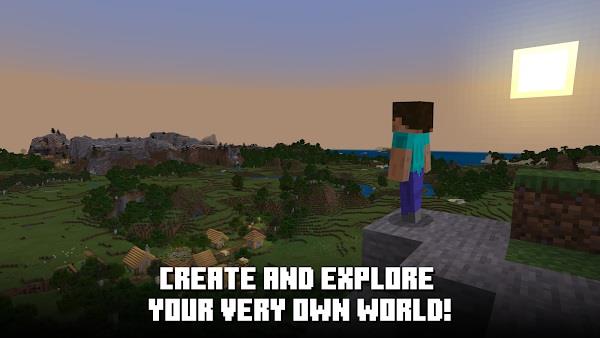
Minecraft Trial is a compact, mobile-focused preview that lets new players experience the block-based survival loop before deciding whether to purchase the full game. This trial places you in the same creative sandbox environment found in the larger title, with opportunities to gather materials, craft essential tools, erect simple shelters, and test basic combat against neutral and hostile creatures. The first few minutes demonstrate camera movement, touch controls, and the feel of construction using colored blocks, while short sample maps illustrate how exploration, resource management, and early progression interact in a mobile setting.
Key Features
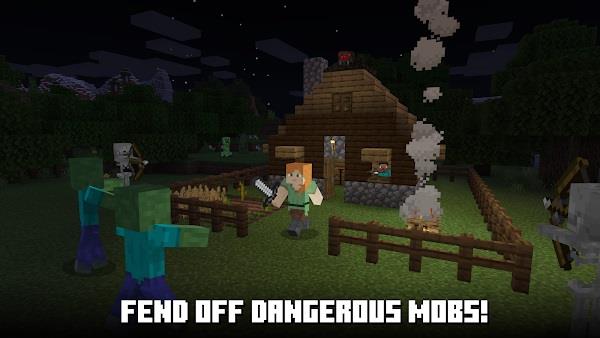
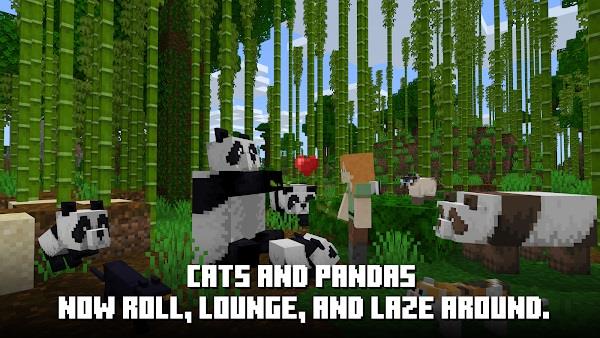
The trial centers on a Survival mode set to default Normal difficulty so that resource gathering, hunger or health management, and simple enemy encounters are representative of the core experience. Two curated sample maps are included to showcase distinct gameplay scenarios: a general open-area Survival map and a smaller restricted map designed to highlight scripted or constrained challenges and points of interest. You can build freely within the trial’s playable areas, craft starter tools and weapons, and encounter a variety of in-game animals that behave as tameable companions, neutral wildlife, or hostile mobs depending on interactions and equipment.
Gameplay Mechanics
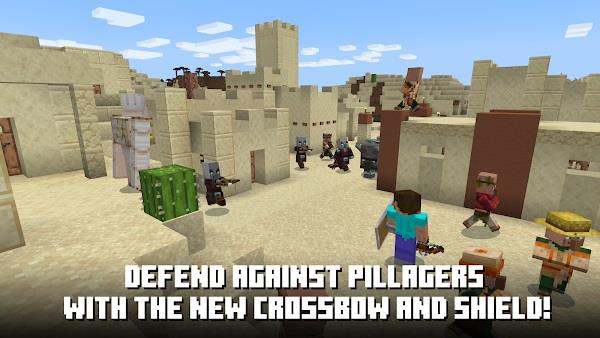
Gameplay focuses on recognizable mechanics without overwhelming new players. Resource gathering follows straightforward patterns—chopping wood, mining basic stone, and collecting simple food sources—while crafting uses a compact recipe set that produces worktables, basic hand tools, and early defensive items. Building remains intentionally accessible: place and remove colored blocks to form shelters, ramps, or decorative structures. Combat is kept simple to allow practice with timing and weapon choice; early weapons are balanced to encourage learning rather than mastery, and enemies provide varied behavior so you can experiment with tactics.
Controls and Camera
Mobile controls emphasize ease of use. Touch-and-drag camera movement lets you look around fluidly while on-screen movement buttons enable walking, sprinting, and basic interaction prompts. Contextual touch zones are available for placing or removing blocks and opening a compact inventory or crafting grid, so constructing a small base is possible without deep menus. The control layout is designed to be intuitive for single-handed play on phones, and on tablets it scales to make building and long viewing sessions comfortable.
Progression Systems
Although this is a trial, Minecraft Trial includes simple progression loops to illustrate long-term play. Early progression is driven by harvesting and crafting: improved tools reduce gathering times, small upgrades unlock new recipes, and basic weapon options expand as you explore the sample maps. These systems are deliberately limited in scope compared to the full game, but they demonstrate how resource investment and exploration lead to tangible improvements in efficiency and survivability.
Visual Style and Sound
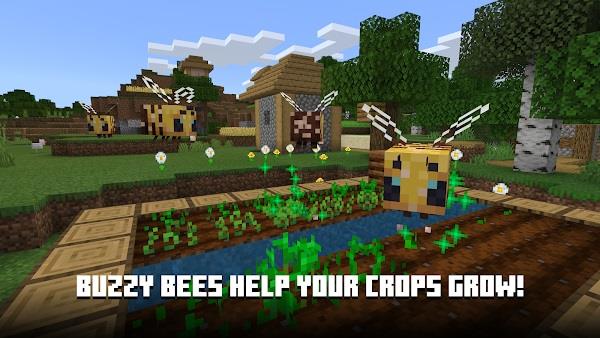
The trial reproduces the signature block-style visuals and palette known from the franchise, with crisp, low-polygon blocks and readable textures that perform well on a wide range of mobile devices. Lighting and environmental effects are tuned for clarity rather than photorealism, helping younger players and newcomers distinguish interactable objects. Sound design supports gameplay cues—ambient wildlife, crafting noises, and combat sounds—so audio enhances situational awareness without being intrusive.
Level Structure and Replay Value
Level structure in the trial is compact by design. The two sample maps provide distinct play sessions: one focused on open exploration and resource loops, the other emphasizing contained challenges and restricted zones that simulate checkpoints or special encounters. Replay value comes from experimenting with different building approaches, testing multiple tool and weapon choices, and attempting varied survival strategies on the same maps. This encourages short repeat sessions that teach core systems without requiring a long initial time investment.
Customization and User Experience
Customization is focused and appropriate for a trial environment. You can modify basic block placement and color choices to personalize small structures and practice aesthetic decisions that transfer to the full game. UI elements are scaled for readability and beta-style hints guide first-time players through primary mechanics. The trial’s user experience favors a low barrier to entry so players learn by doing instead of relying on long tutorials.
Accessibility and Offline Play
Minecraft Trial includes accessibility considerations such as adjustable touch sensitivity, simplified input options, and visual clarity settings to help players with different needs. The trial is primarily designed for offline play, allowing you to explore sample areas and use crafting systems without a persistent internet connection, which makes it suitable for experimentation on the go or in low-connectivity situations.
Limitations
Keep in mind that Minecraft Trial intentionally restricts content: only two maps and a limited set of items and recipes are available, and more advanced features and larger progression trees belong to the full version. Starter weapons within the trial are basic and designed for learning rather than late-game combat. Use this trial to evaluate core mechanics, control comfort, and visual feel before deciding whether to upgrade to the complete experience.
Information
 Google Play
Other Games by the Same Mojang
Many players are looking for Android mod games, but where can they find them? In this collection, players can discover various types of mod games, whether it's fully unlocked levels or unlimited coins. You can easily download and install them with just one click, and the site promises high-speed downloads. We believe everyone will enjoy this collection!



As people's lives become increasingly fast-paced and mobile gaming rises in popularity, Offline games have gradually gained favor. These games typically require extensive and repetitive actions, which can be mentally exhausting if done manually. Therefore, they feature specific Offline mechanics; once set up, players can set the game aside and it will play itself, freeing up your hands.


User Comments
Jezzin is a fast-paced ball-trapping arcade game that challenges players to confine bouncing balls inside a room by drawing walls. Combining reflexes, timing, and strategy, Jezzin asks you to swipe to build barriers and avoid collisions while conserving limited lives. With simple controls and a minimalist presentation, the game delivers immediate, tense sessions that reward precise timing and quick thinking. Players who enjoy concise, skill-based levels will appreciate Jezzin's variety of modes that shift the challenge from relaxed puzzling to high-pressure survival and timed runs, making it a compelling pick for short play bursts.

Siêu Anh Hùng Đại Chiến brings a 3D multiverse of superheroes to mobile, letting players collect, build teams and fight across dramatic PvP and PvE modes. Developed as Vietnam’s first fully realized 3D multiverse game, Siêu Anh Hùng Đại Chiến mixes a huge roster of characters with strategic systems so you can customize squads, counter enemies and experience cinematic battles. With over 100 heroes, cross-server clashes, and more than 15 activity types, the game promises variety and long-term progression. If you enjoy character collection, tactical combat and spectacular visuals, this title delivers a compelling action strategy experience.

Thronefall is a compact, award-winning strategy game that blends base-building and action into short, satisfying sessions. Players expand their kingdom by day—constructing mills, walls and archer positions—then face waves of attackers at night in tense survival battles. The design pares down complex mechanics to emphasize meaningful tactical choices: balance your economy against defensive needs, decide between longbowmen or sturdier walls, and pick the moment to charge on horseback. Thronefall appeals to gamers who want quick, replayable rounds with strategic decision-making and thrilling combat without a steep learning curve.

SGMC is a compact turn-based strategy game created for Filipino players who enjoy short, tactical matches that emphasize positioning and timing. SGMC runs in mobile browsers with a portrait-first layout, touch-friendly controls, and lightweight performance so you can jump into a game without installing an app. Matches play out as rooster vs. rooster skirmishes across a small board where players capture territory and fight until one side reaches ten wins, making every decision carry tangible weight in the overall score.
Pak Truck Driving Simulator puts you behind the wheel of colorful Asian trucks in a 3D driving game that challenges players to transport cargo across cities, hill roads and rugged off-road tracks. This simulator blends realistic weather, day-night cycles and varied terrains with customizable trucks, multiple camera angles and smooth controls, making it ideal for fans of heavy-duty driving who enjoy mastering difficult routes and completing missions. Players will also find cultural touches—folk radio, desi dhabas and traditional truck art—that enrich each journey and give the game a distinctive regional feel worth exploring.

Nuclear Fiesta is an unconventional decision-driven game that puts you in control of humanity's fate, letting players choose whether to save or destroy the human race through strategic choices and dramatic scenarios. The game splits into distinct play styles — a savior route where you relocate groups of people to safety, and a destructive route that lets you unleash military force and catastrophic weaponry. With a sandbox mode for unrestricted experimentation and a scoring system that tracks your best runs, Nuclear Fiesta appeals to players who enjoy moral dilemmas, creative strategies, and highly replayable gameplay experiences.