
 X
 facebook
 WhatsApp
 Email
Introduction
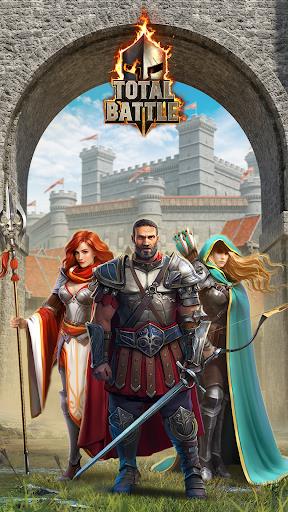
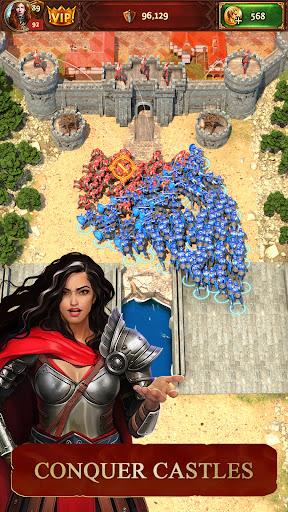
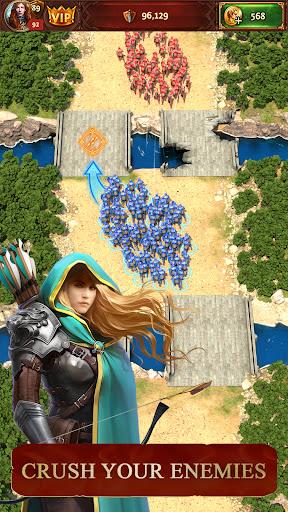
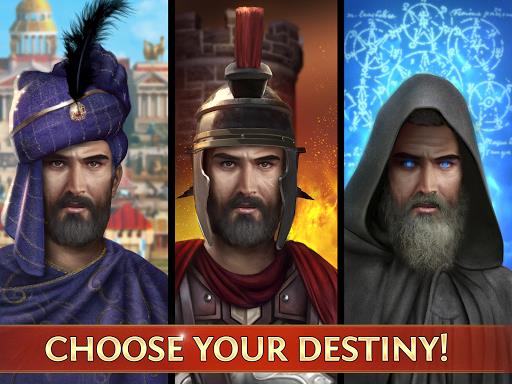
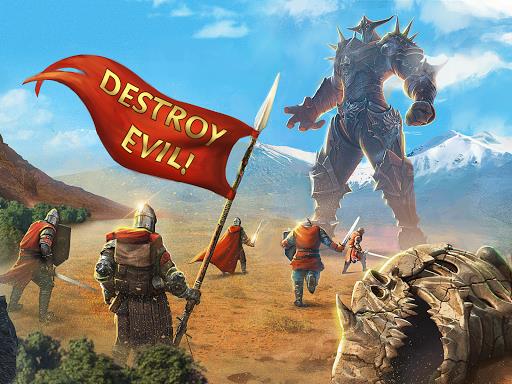
Total Battle is a long-term strategy title that blends city building, army planning and multiplayer conflict across fantasy, ancient and medieval-inspired lands. In Total Battle you develop a fortified city, assign production and research, recruit and train diverse troops, and guide heroes through real-time engagements on a shared world map. This introduction outlines the core systems, controls and player expectations so you can decide whether the game’s steady, strategic pace fits your play style.
Key Features and Core Systems
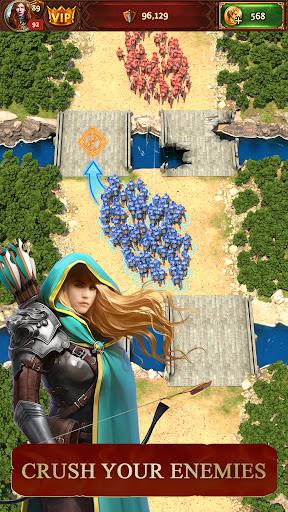
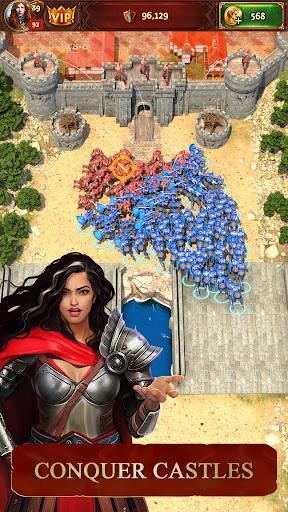
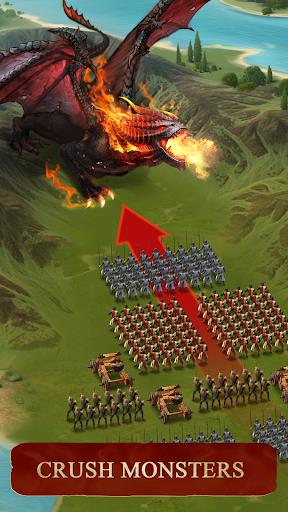
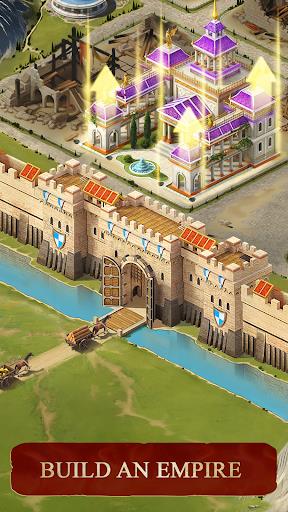
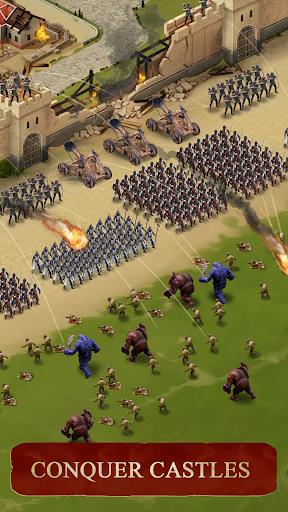
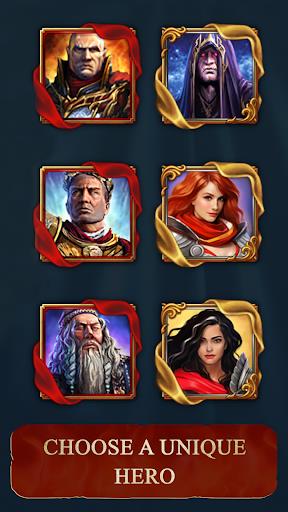
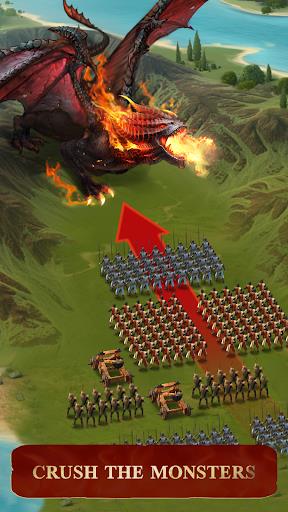
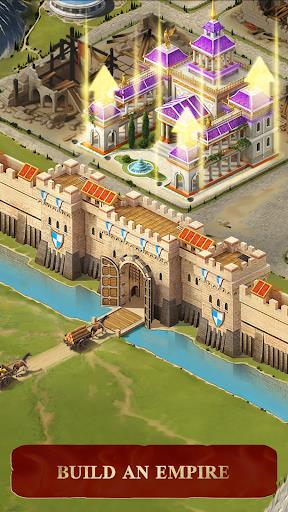
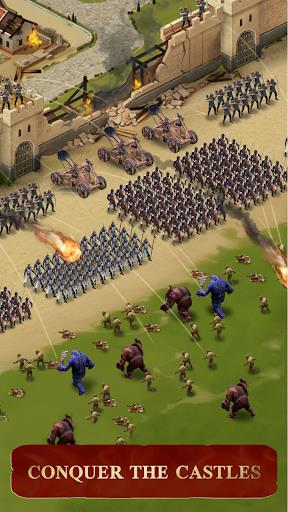
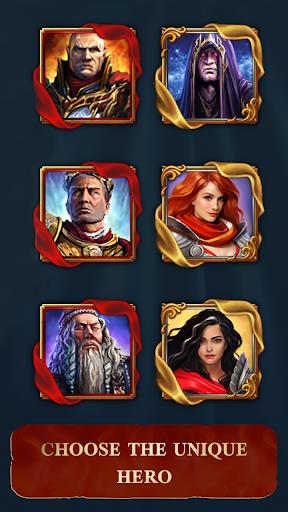
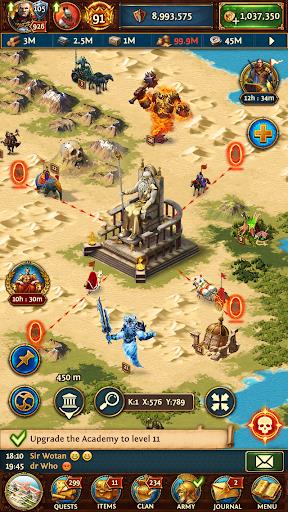
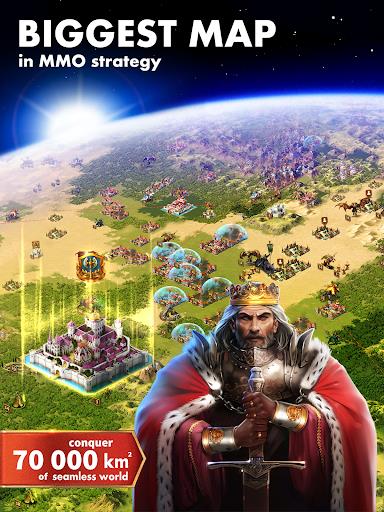
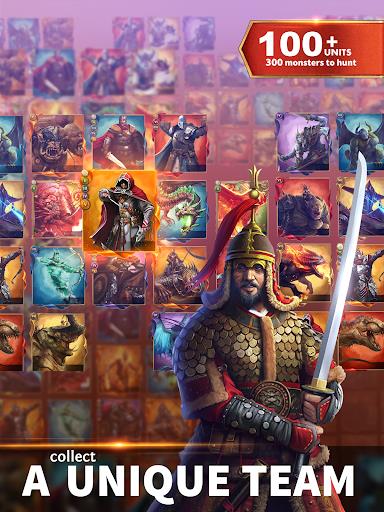
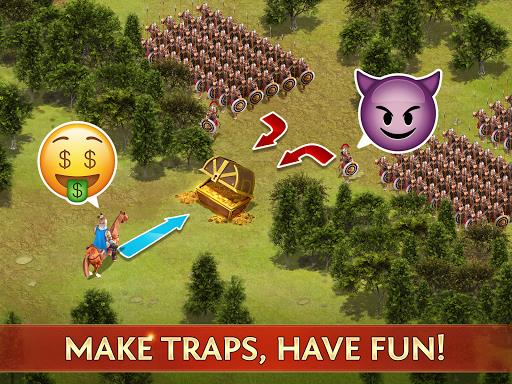
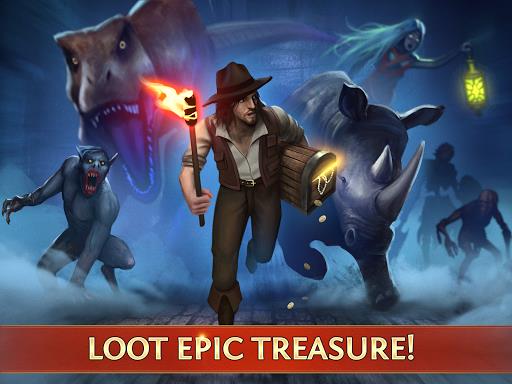
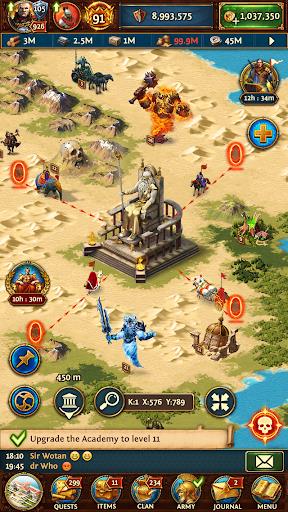
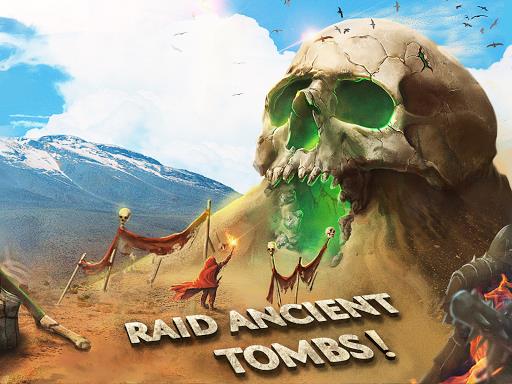
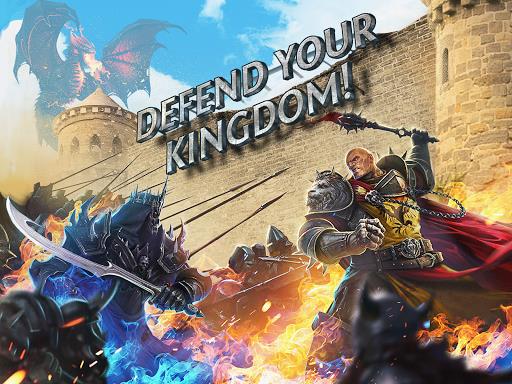
The game centers on a primary city that functions as an empire hub: upgrade buildings to unlock new units, shorten training times and improve resource production. Units range from basic guardsmen to heavy infantry, siege forces and more exotic creatures hinted at by the art and descriptions; these units combine with hero characters whose equipment, skills and enchantments shape how you fight. Real-time battles play out on a persistent world map where monsters, rival keeps and faction forces appear; portals and regional travel mechanics create tactical choices about movement and response times. Clan systems enable coordinated actions, tournaments and political mechanics that influence titles and influence within a kingdom.
Gameplay Mechanics and Controls
Gameplay emphasizes long-term planning rather than quick sessions. Core mechanics include resource balancing, timed construction queues, troop recruitment cycles and hero progression systems such as leveling and gear upgrades. Controls are optimized for touch: a city view and map interface use context-sensitive menus and drag-to-pan maps, with tap-based selection for units and buildings. Combat uses movement orders and skill activations for heroes, while the world map supports rallying forces, scouting and sending reinforcements. The interface groups common actions to reduce micro-management during busy alliance events.
Progression, Customization and Level Structure
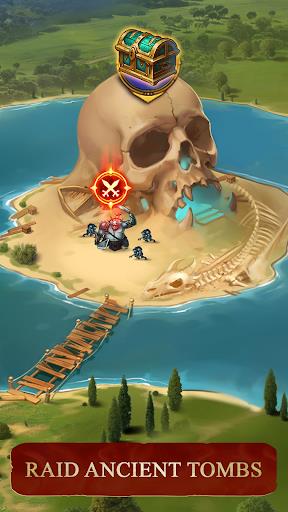
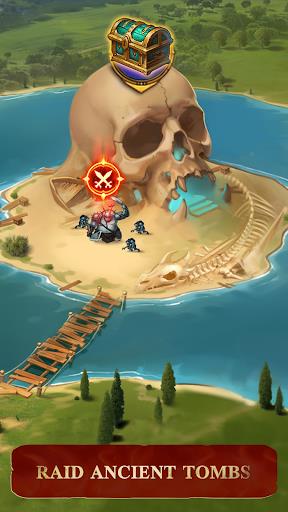
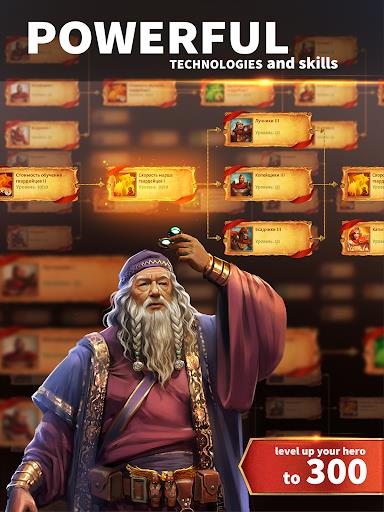
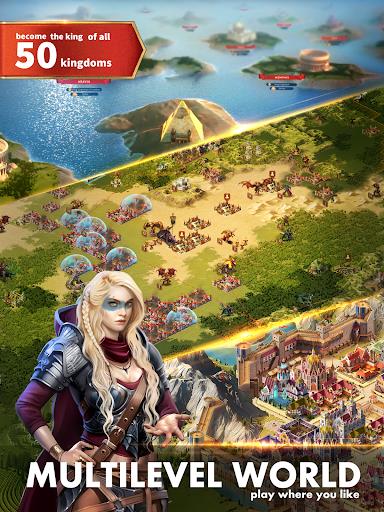
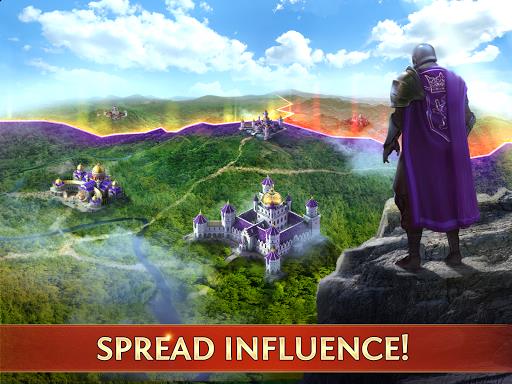
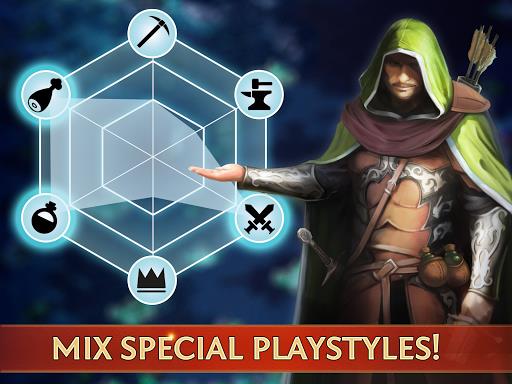
Progression is multi-layered: you advance your city through building tiers, research technologies that unlock new tactics, and improve individual heroes through experience, equipment crafting and enchantments. Crafting and blacksmithing systems let you refine gear and tailor hero roles toward offense, defense or support. Level structure on the world map is region-based, with provinces, monster zones and strongholds that scale in difficulty; conquering or contesting these locations yields resources and reputation that feed back into city development and clan standing.
Visual Style and Presentation
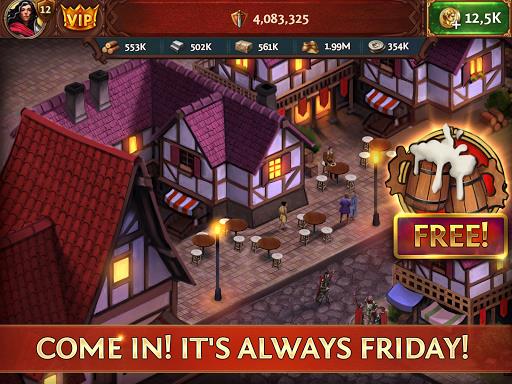
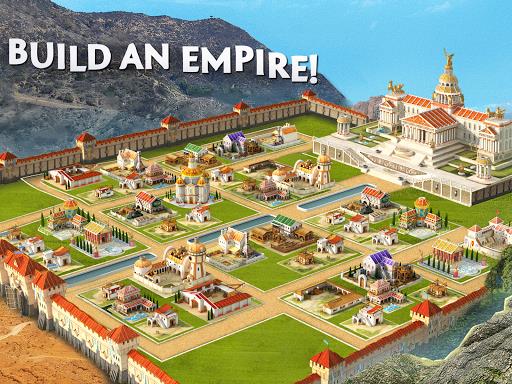
The visual approach mixes fantasy motifs with ancient and medieval architecture to create a varied aesthetic across regions. Cities animate as you upgrade structures, and battles are presented with clear unit icons and hero portraits rather than requiring detailed 3D micro-management, which keeps battles readable on mobile screens. Menus and tooltips aim to communicate required resources and timers at a glance so strategic choices remain transparent even when juggling multiple fronts.
Social Systems, Replay Value and Challenge Design
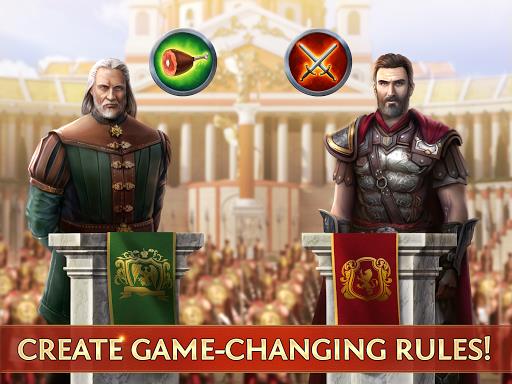
Social play is a central motivating factor: clans provide coordination tools for joint attacks, defense pacts and tournament participation. Seasonal and event-driven challenges introduce varied objectives that reward different approaches, encouraging replayability through alternative strategies, hero specializations and shifting political alliances. Challenge systems scale by region and event tier, offering both PvE objectives against monsters and PvP contests over territory and titles, so there are ongoing goals beyond base building.
User Experience, Accessibility and Connectivity
The onboarding includes guided tutorials that explain city management, hero development and alliance functions, with in-game help available for common tasks. Settings allow you to tune notifications, reduce animation complexity and adjust audio to improve accessibility. Because battles and world interactions occur on a shared server, the game relies on an active online connection for most progression-related actions; the design aims to keep routine management efficient so short interruptions are less disruptive to long-term plans.
Expectations and Time Investment
Total Battle favors steady progression: upgrades and troop recovery can take time, and active kingdoms often reward players who check in regularly or coordinate with a clan. Optional acceleration mechanics are present for players who prefer to shorten timers, and clan cooperation can mitigate long waits by sharing resources and planning attacks. Casual players can still enjoy base customization and hero development, but high-level territorial contests tend to favor organized groups that commit to coordinated strategies.
If you enjoy thoughtful resource management, layered hero systems and strategic alliance play, Total Battle offers depth through city building, tactical map interactions and social competition that reward planning and long-term engagement.
Information
 Google Play
Old Versions
User Comments
Jezzin is a fast-paced ball-trapping arcade game that challenges players to confine bouncing balls inside a room by drawing walls. Combining reflexes, timing, and strategy, Jezzin asks you to swipe to build barriers and avoid collisions while conserving limited lives. With simple controls and a minimalist presentation, the game delivers immediate, tense sessions that reward precise timing and quick thinking. Players who enjoy concise, skill-based levels will appreciate Jezzin's variety of modes that shift the challenge from relaxed puzzling to high-pressure survival and timed runs, making it a compelling pick for short play bursts.
Siêu Anh Hùng Đại Chiến brings a 3D multiverse of superheroes to mobile, letting players collect, build teams and fight across dramatic PvP and PvE modes. Developed as Vietnam’s first fully realized 3D multiverse game, Siêu Anh Hùng Đại Chiến mixes a huge roster of characters with strategic systems so you can customize squads, counter enemies and experience cinematic battles. With over 100 heroes, cross-server clashes, and more than 15 activity types, the game promises variety and long-term progression. If you enjoy character collection, tactical combat and spectacular visuals, this title delivers a compelling action strategy experience.

Thronefall is a compact, award-winning strategy game that blends base-building and action into short, satisfying sessions. Players expand their kingdom by day—constructing mills, walls and archer positions—then face waves of attackers at night in tense survival battles. The design pares down complex mechanics to emphasize meaningful tactical choices: balance your economy against defensive needs, decide between longbowmen or sturdier walls, and pick the moment to charge on horseback. Thronefall appeals to gamers who want quick, replayable rounds with strategic decision-making and thrilling combat without a steep learning curve.
SGMC is a compact turn-based strategy game created for Filipino players who enjoy short, tactical matches that emphasize positioning and timing. SGMC runs in mobile browsers with a portrait-first layout, touch-friendly controls, and lightweight performance so you can jump into a game without installing an app. Matches play out as rooster vs. rooster skirmishes across a small board where players capture territory and fight until one side reaches ten wins, making every decision carry tangible weight in the overall score.
Pak Truck Driving Simulator puts you behind the wheel of colorful Asian trucks in a 3D driving game that challenges players to transport cargo across cities, hill roads and rugged off-road tracks. This simulator blends realistic weather, day-night cycles and varied terrains with customizable trucks, multiple camera angles and smooth controls, making it ideal for fans of heavy-duty driving who enjoy mastering difficult routes and completing missions. Players will also find cultural touches—folk radio, desi dhabas and traditional truck art—that enrich each journey and give the game a distinctive regional feel worth exploring.
Nuclear Fiesta is an unconventional decision-driven game that puts you in control of humanity's fate, letting players choose whether to save or destroy the human race through strategic choices and dramatic scenarios. The game splits into distinct play styles — a savior route where you relocate groups of people to safety, and a destructive route that lets you unleash military force and catastrophic weaponry. With a sandbox mode for unrestricted experimentation and a scoring system that tracks your best runs, Nuclear Fiesta appeals to players who enjoy moral dilemmas, creative strategies, and highly replayable gameplay experiences.