
 X
X
 facebook
 WhatsApp
 Email
Email
Introduction
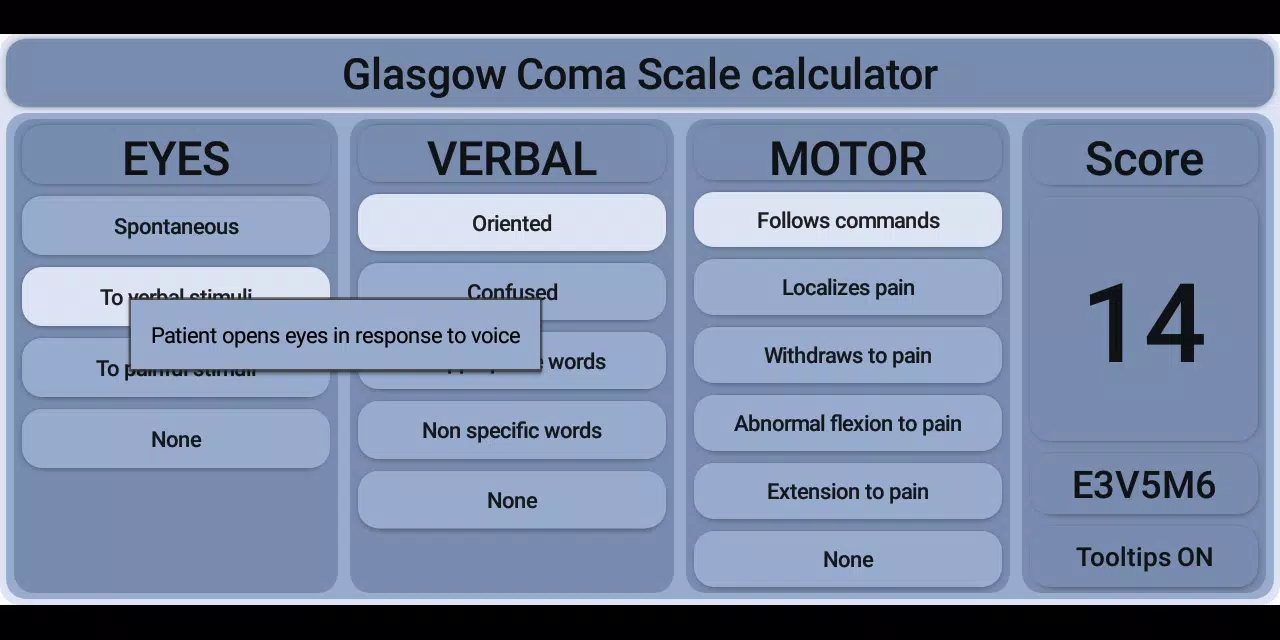
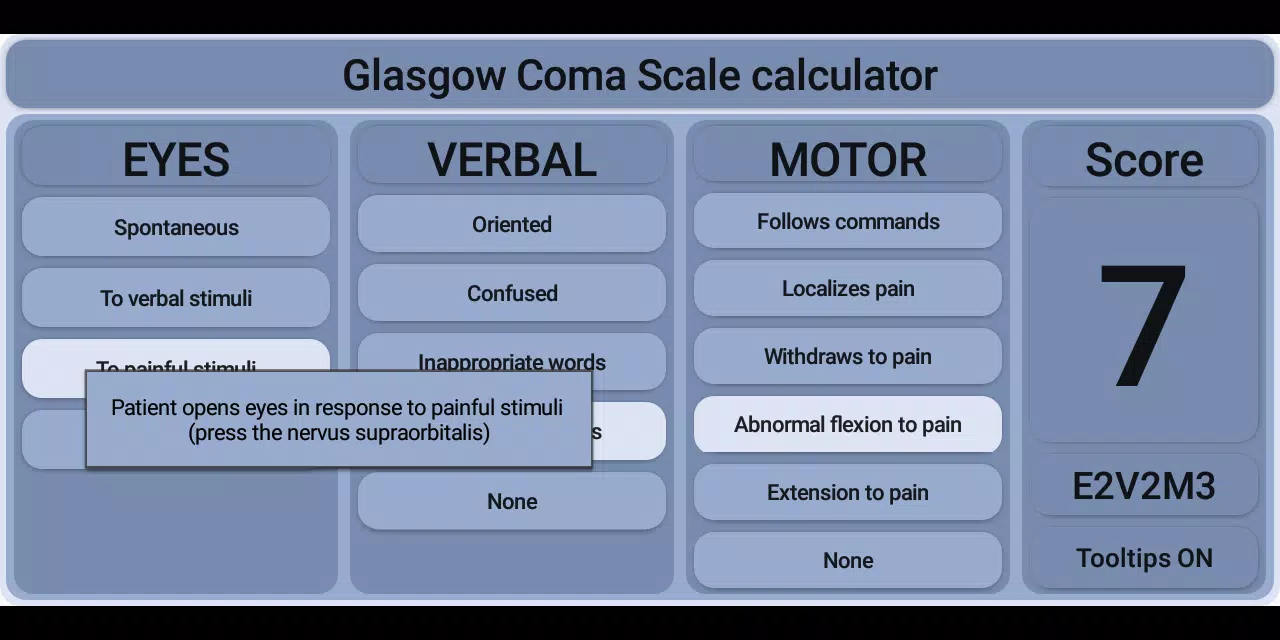
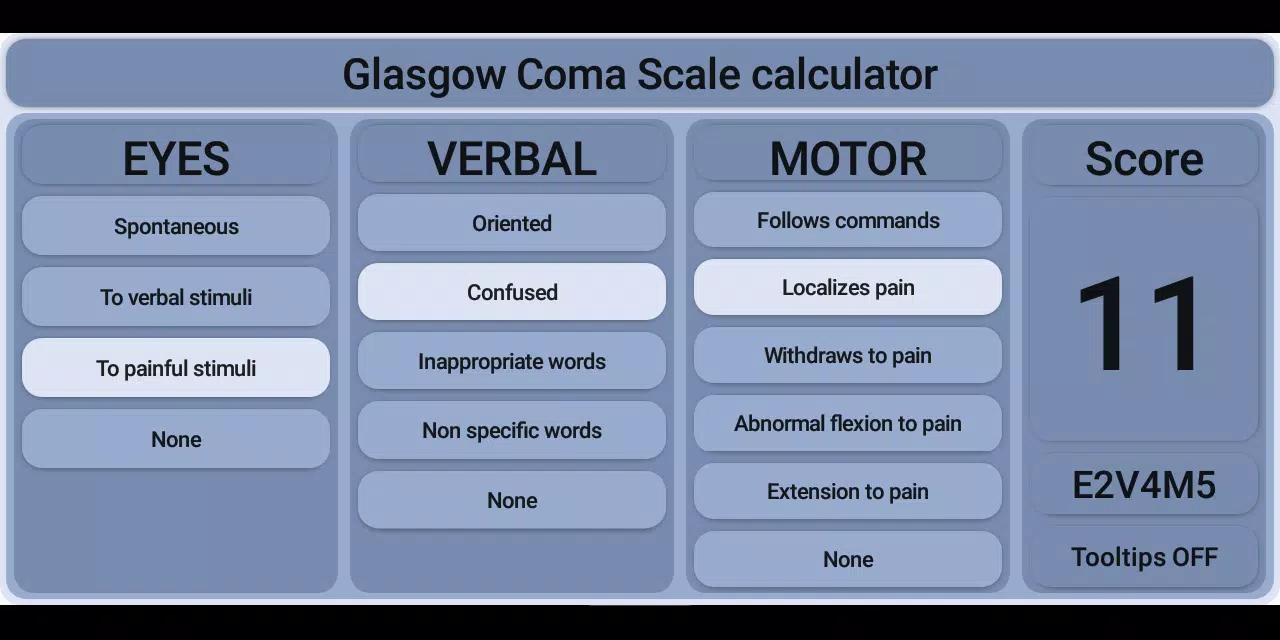
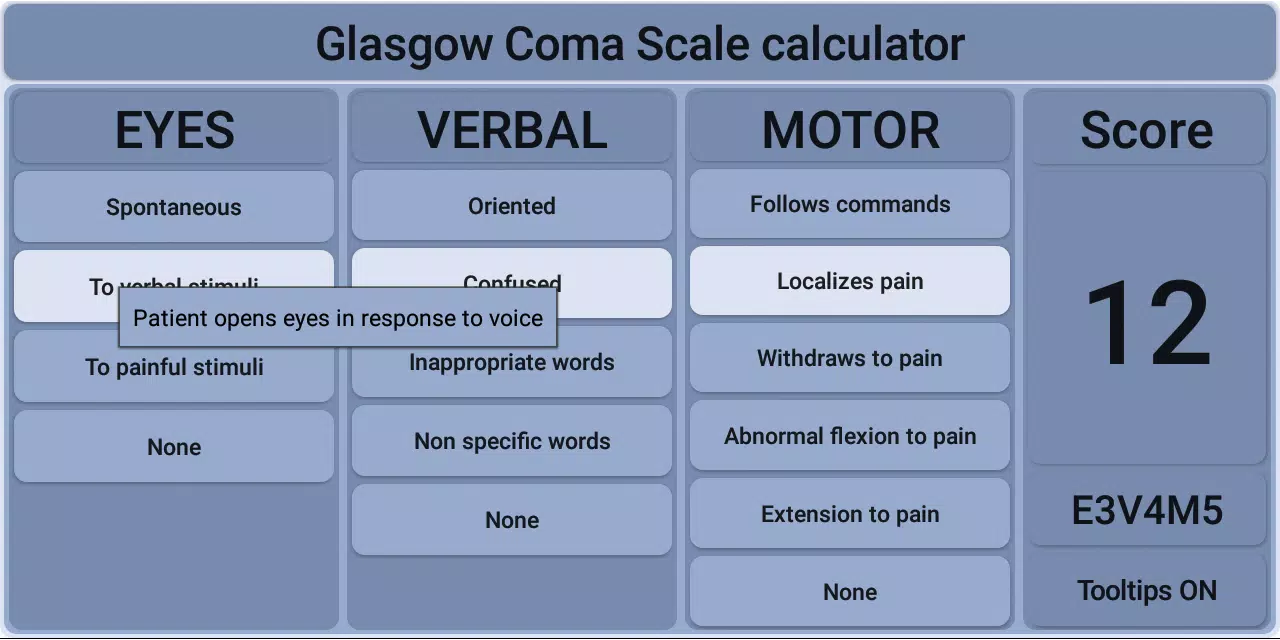
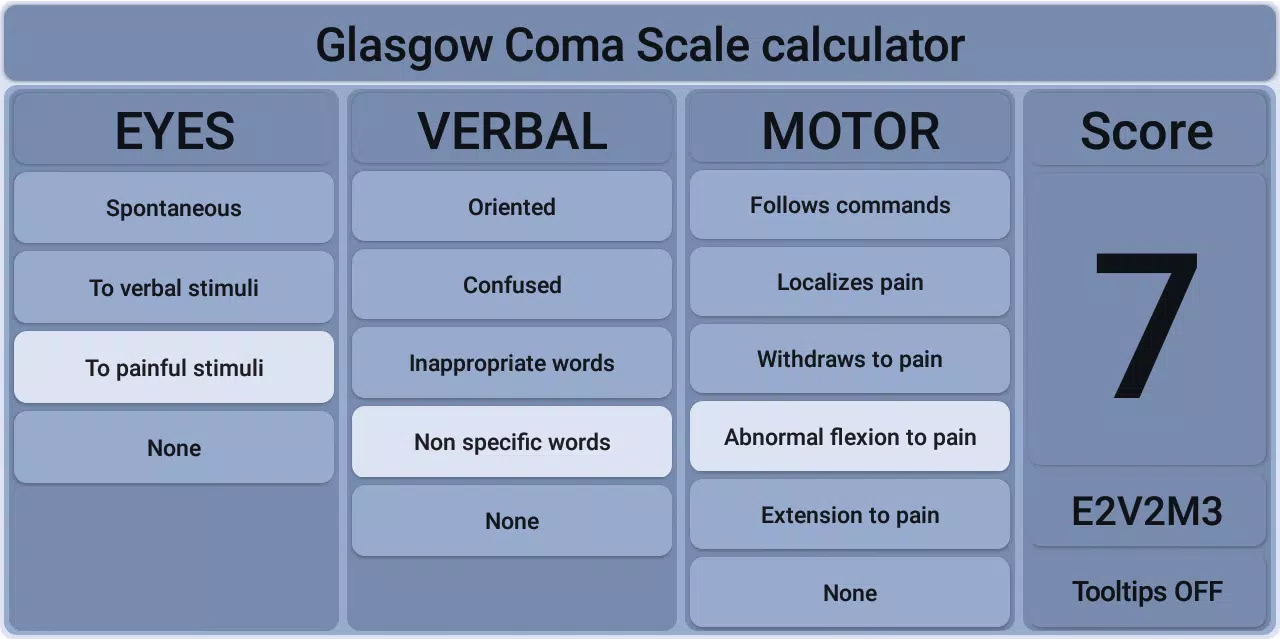
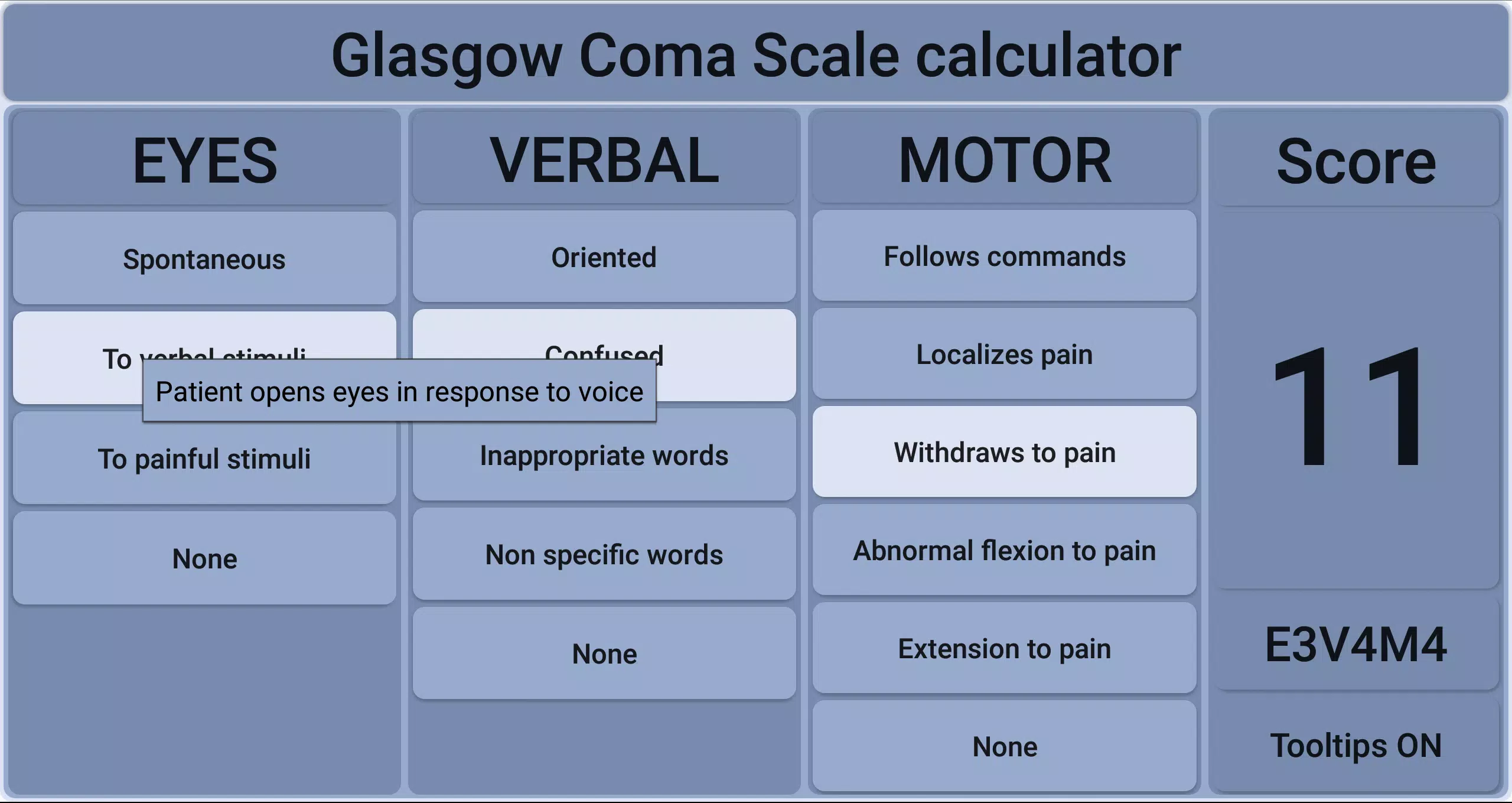
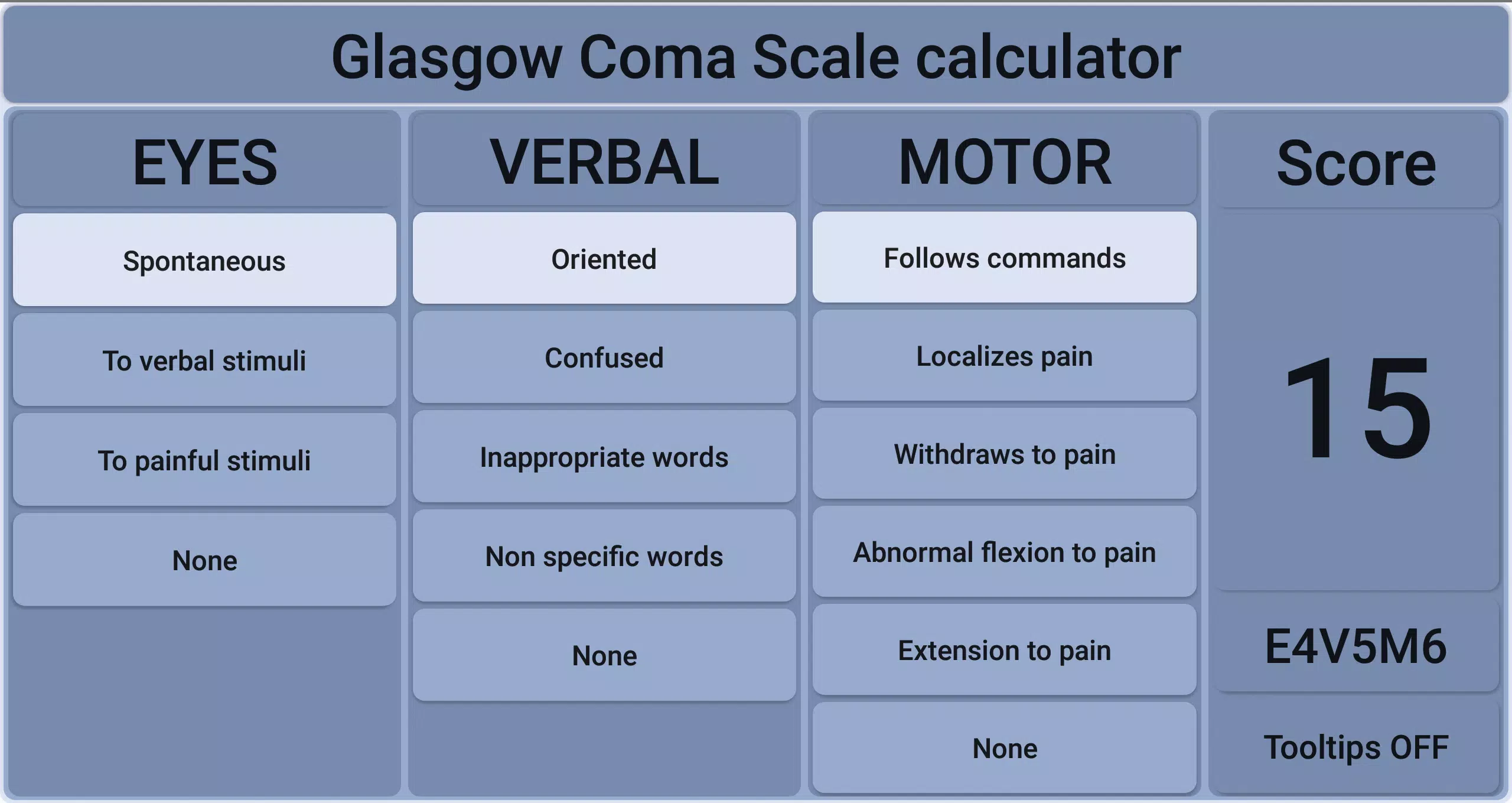
The Glasgow Coma Scale (GCS) is a clinical scale used to assess and monitor a patient’s level of consciousness following a brain injury or medical event. It helps healthcare professionals evaluate the severity of a patient’s condition by scoring their eye, verbal, and motor responses. The scale ranges from 3 to 15, with lower scores indicating a more severe impairment of consciousness. Originally developed in 1974, the GCS has become a standard tool in emergency medicine, critical care, and neurological assessments. By providing a simple yet effective way to assess responsiveness, the Glasgow Coma Scale aids in guiding treatment decisions and predicting outcomes.
Features of the Glasgow Coma Scale:
- Eye Response: The scale measures the patient's ability to open their eyes in response to stimuli, with scores ranging from 1 (no response) to 4 (eyes open spontaneously).
- Verbal Response: The verbal response is scored from 1 to 5, with 5 indicating oriented speech and 1 showing no verbal response. This helps evaluate the patient's awareness and ability to communicate.
- Motor Response: The motor response evaluates how a patient reacts to commands or pain, with a score ranging from 1 (no movement) to 6 (appropriate movement to command).
- Simple Scoring System: The GCS uses a simple 3-15 scoring range, where a higher score indicates a higher level of consciousness and a better prognosis.
- Objective Assessment: The scale provides an objective way to track changes in consciousness over time, making it easier to assess a patient’s progress and response to treatment.
Playing Tips for Using the Glasgow Coma Scale:
- Use in Emergency Settings: The Glasgow Coma Scale is most commonly used in emergency and critical care situations to quickly assess a patient's condition.
- Reassess Regularly: Continuously monitor and reassess the patient’s GCS score to track changes in consciousness and detect any deterioration early.
- Be Accurate: When assessing the motor, verbal, and eye responses, ensure that the appropriate stimuli are used (e.g., verbal prompts for verbal response and physical stimuli for motor response) to obtain accurate scores.
- Use in Combination: The GCS should be used alongside other clinical assessments and diagnostic tools to get a complete picture of the patient’s condition.
- Know the Limitations: While the GCS is a valuable tool, it does not measure all aspects of brain function (e.g., it cannot assess cognitive abilities or higher-level brain functions). It’s just one part of the assessment process.
Conclusion:
The Glasgow Coma Scale is a crucial and widely used tool in the medical field for assessing the level of consciousness in patients, particularly after traumatic brain injuries or medical emergencies. Its simplicity and effectiveness make it invaluable in guiding treatment decisions and tracking patient progress. Though it’s not a comprehensive assessment of all brain functions, the GCS plays a vital role in determining a patient’s immediate care needs and predicting their chances of recovery. For healthcare professionals, understanding how to properly apply and interpret the Glasgow Coma Scale can significantly impact patient outcomes.
Information
 Google Play
User Comments

Аптека is a mobile pharmacy app (Good Day Pharmacy) that helps you find, reserve and manage medicines and health products from pharmacies across Ukraine. The app lets you search nearby locations, check product availability, and book items for immediate redemption, saving time and unnecessary visits. Аптека also integrates a digital loyalty program with a virtual bonus card, shows your bonus balance and purchase history, and delivers personal offers and medication reminders. With information on opening hours, contacts and detailed product instructions for thousands of SKUs, Аптека aims to simplify routine pharmacy tasks on your phone.
Navi Radiography Pro is a compact, offline radiography reference designed to put an interactive atlas and step-by-step exposure guidance into the palm of your hand. The app combines matched 3D visualizations of X-ray beam direction, patient positioning and synchronized skin, bone and radiograph overlays so that radiologic technologists, radiographers, radiologists and students can quickly clarify projection geometry and expected image appearance during clinical work or study. This editor’s introduction highlights how the interface, visual models and study workflow are arranged to support practical learning and on-shift decision making.

My Derm is a free, clinician-developed app that helps people with inflammatory skin conditions monitor symptoms, manage treatments, and access trusted educational resources to support daily wellbeing. Built with input from patients and dermatology professionals, My Derm brings personal health records, medication and appointment reminders, symptom and lifestyle tracking, and a curated educational feed together in a single, easy-to-use mobile experience designed to support long-term self-management and better conversations with clinicians.
Centro Médico is a mobile application designed for members of the Salto Medical Center that centralizes appointment scheduling, test results, diagnostic images and medication records on a smartphone. The app streamlines routine healthcare tasks—book consultations with specialists, view laboratory and imaging reports, and keep track of prescriptions—so patients can manage their care without unnecessary calls or visits. Users seeking faster access to medical information and clearer communication with clinicians will find Centro Médico useful for staying informed and handling appointments and treatments from anywhere with an intuitive, patient-focused interface.
Mammakarzinom onkowissen is a clinical reference app created for oncology professionals who require clear, practical guidance on metastatic breast cancer at the point of care. The Mammakarzinom onkowissen interface consolidates diagnostic pathways, subtype-specific therapy algorithms and concise drug information into a mobile-oriented layout so clinicians can quickly find evidence-informed options for HR+, HER2+ and triple-negative disease.
CVA Flow is a secure clinical communication app designed to streamline time-sensitive stroke workflows and support coordinated decision-making across EMS crews, emergency departments and remote specialists. This editor introduction explains how CVA Flow organizes cases, the controls and progression tools clinicians rely on during urgent events, and the practical balance it strikes between usability and strict privacy controls for regulated healthcare settings.